



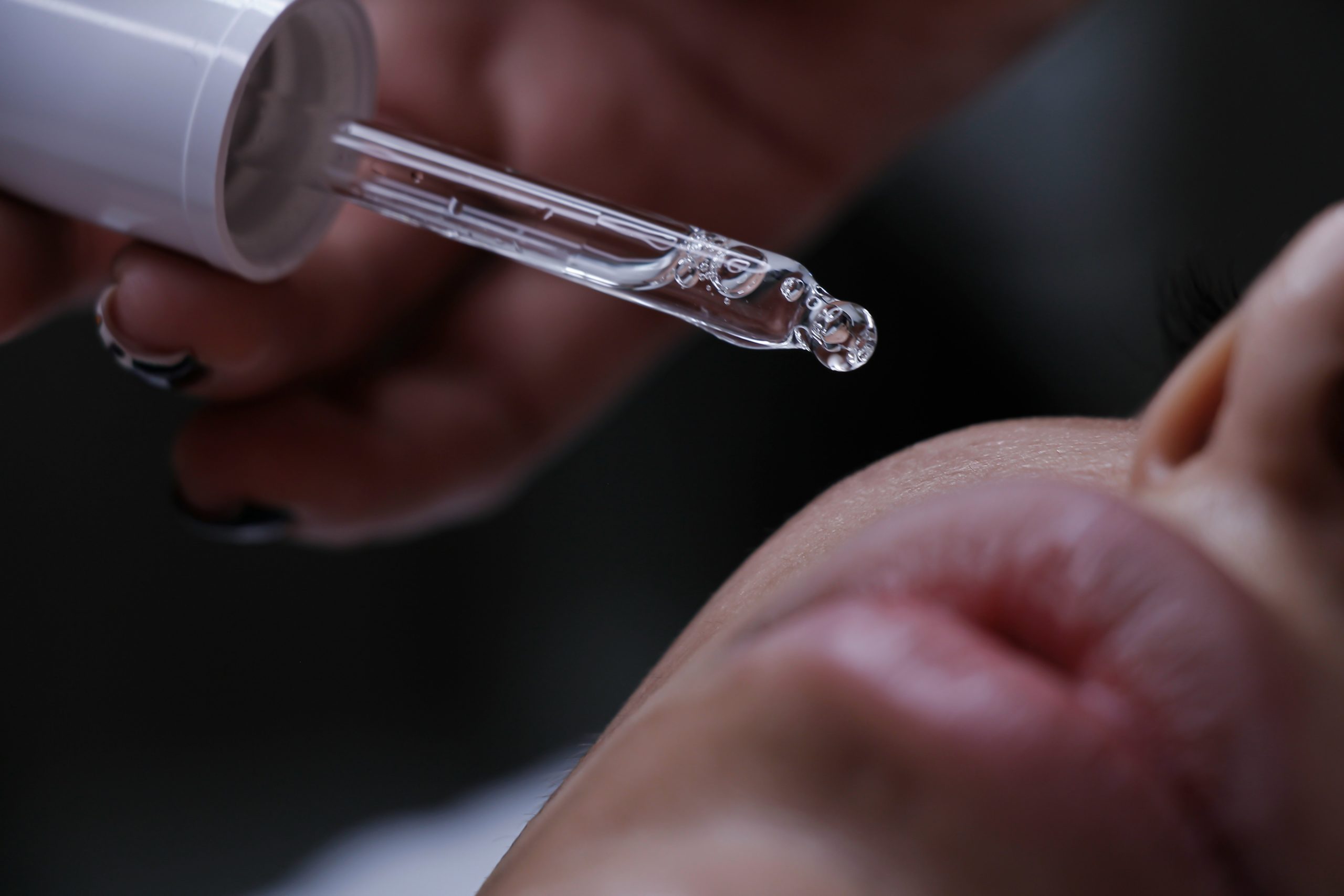
Everything You Need to Know About Salicylic Acid for Acne & Oily Skin
20 Feb 2026
Acne and oily skin are two of the most common skincare concerns, yet they are also among the most misunderstood. Many people overload their routines with harsh products to “dry out” breakouts, only to find their skin becomes more irritated and reactive.
This is where salicylic acid stands out. Unlike aggressive scrubs or alcohol-heavy toners, salicylic acid works strategically. It targets the root causes of congestion while helping maintain balance when used correctly.
If you are dealing with blackheads, breakouts, enlarged pores or persistent shine, this guide explains exactly what salicylic acid is, how it works and how to build a routine around it with products available at Beauty Savers.
What Is Salicylic Acid?
Salicylic acid is a beta hydroxy acid, commonly referred to as a BHA. What makes it different from other exfoliating acids is that it is oil soluble. This means it can travel through sebum and penetrate directly into pores. Most breakouts begin when pores become clogged with excess oil and dead skin cells. Because salicylic acid can move through oil, it exfoliates inside the pore lining rather than just on the surface of the skin.
In practical terms, this makes it particularly effective for:
- Oily skin
- Acne-prone skin
- Blackheads and whiteheads
- Congested or textured skin
It is often described as a “pore-clearing” ingredient for this reason.
Why Is Salicylic Acid Good for Oily Skin?
Oily skin produces more sebum than necessary, which can mix with dead skin cells and lead to clogged pores. Because salicylic acid is oil soluble, it can cut through this build up more effectively than many surface exfoliants.
For those who experience:
- Enlarged pores
- Persistent shine
- Frequent congestion around the nose and chin
- Occasional inflammatory breakouts
Salicylic acid can become a core part of a balanced skincare routine.
What Does Salicylic Acid Do for Acne?
Salicylic acid supports acne management in several ways:
- It exfoliates inside pores to help reduce blackheads and whiteheads
- It helps regulate excess oil production
- It supports smoother skin texture
- It can calm mild inflammation associated with breakouts
With consistent use, many people notice fewer blocked pores and a reduction in visible congestion. It is not an overnight fix, but over weeks of regular use, it can contribute to clearer looking skin. Supporting it with proper hydration and daily SPF can further improve results, helping maintain balance while preventing irritation.
How to Use Salicylic Acid in Your Routine?
1. Cleansers
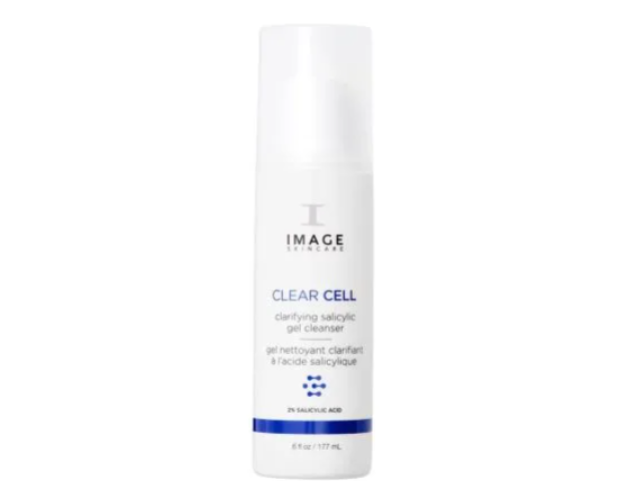
Salicylic acid cleansers are a gentle way to introduce the ingredient. Because they are rinsed off, they tend to be less irritating than leave on treatments. They are particularly suitable for beginners or those with combination skin who want pore-clearing benefits without overwhelming their routine.
For example, products such as Image Clear Cell Salicylic Gel Cleanser or Murad Clarifying Cream Cleanser are designed to help cleanse pores while maintaining skin comfort. Use once daily at first, especially if you are new to exfoliating acids.
2. Clarifying Pads
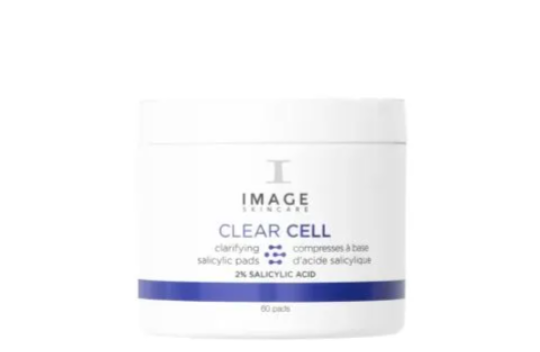
Pre-soaked pads like Image Clear Cell Salicylic Clarifying Pads offer light exfoliation and convenience. They can be used after cleansing to sweep away excess oil and help refine texture. Start with two to three times per week and adjust based on how your skin responds.
3. Targeted Treatments
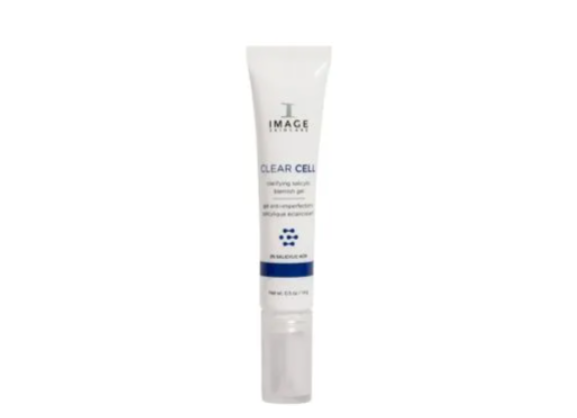
For more stubborn blemishes, targeted formulas such as Image Clear Cell Clarifying Salicylic Blemish Gel can be applied directly to affected areas. These treatments are typically stronger and should be used carefully, especially if combined with other active ingredients.
How Often Should You Use Salicylic Acid?
This depends on skin type:
- Sensitive skin: 1–2 times per week
- Combination skin: 2–4 times per week
- Oily, resilient skin: once daily if tolerated
More is not better. Overuse can disrupt the skin barrier and trigger more oil production as compensation.
Salicylic Acid vs Retinol: Should You Use Both?
Salicylic acid and retinol target breakouts in different ways, which is why many routines include both. Salicylic acid works by clearing congestion inside the pores, helping to reduce blackheads and excess oil. Retinol, on the other hand, increases cell turnover and supports collagen production.
The benefits of retinol include improving skin texture, reducing the appearance of fine lines, refining pores and helping to prevent future breakouts by keeping pores clear. When used correctly, they can complement each other, but it is important to introduce them gradually and always use SPF during the day to protect your skin.
Common Mistakes to Avoid When Using Salicylic Acid
Salicylic acid can be highly effective for acne and oily skin, but incorrect use often leads to irritation rather than improvement. Here are some common mistakes to avoid:
1. Using it too often too quickly
Starting with daily application can overwhelm the skin. Begin 2–3 times per week and increase gradually if your skin tolerates it. This allows your skin barrier to adjust and helps reduce the risk of dryness, redness or irritation.
2. Skipping moisturiser
Salicylic acid exfoliates and reduces oil, which can lead to dryness. Always follow with a hydrating moisturiser to protect the skin barrier. Look for ingredients such as hyaluronic acid, ceramides or glycerine to help replenish moisture and support barrier function. Keeping the skin well hydrated not only reduces irritation but can also improve how effectively salicylic acid works overtime.
3. Layering with too many active ingredients
Combining salicylic acid with strong exfoliating acids or high-strength retinol in the same routine can cause irritation. Introduce actives slowly and alternate if needed.
4. Not wearing SPF
Exfoliating acids can make skin more sensitive to sunlight. Daily SPF is essential to prevent damage and pigmentation.
5. Applying to broken or irritated skin
Avoid using salicylic acid on compromised skin, as this can worsen sensitivity and delay healing. If your skin is already irritated, peeling or inflamed, focus on barrier-repairing and soothing products first. Once the skin has stabilised, you can slowly reintroduce exfoliating ingredients if needed.
Order your salicylic acid skincare today from Beauty Savers and take the next step towards clearer, healthier-looking skin.
No Comments